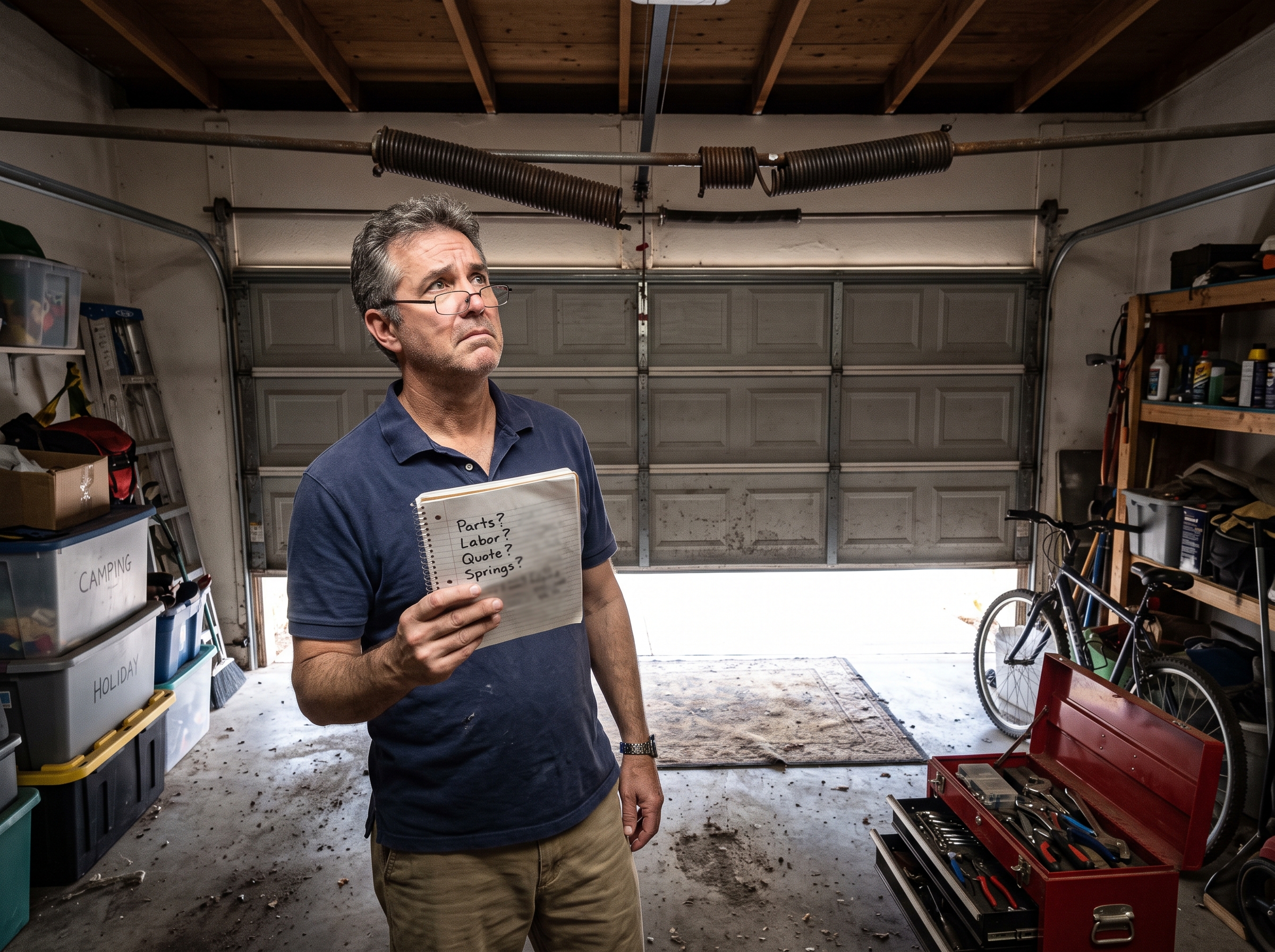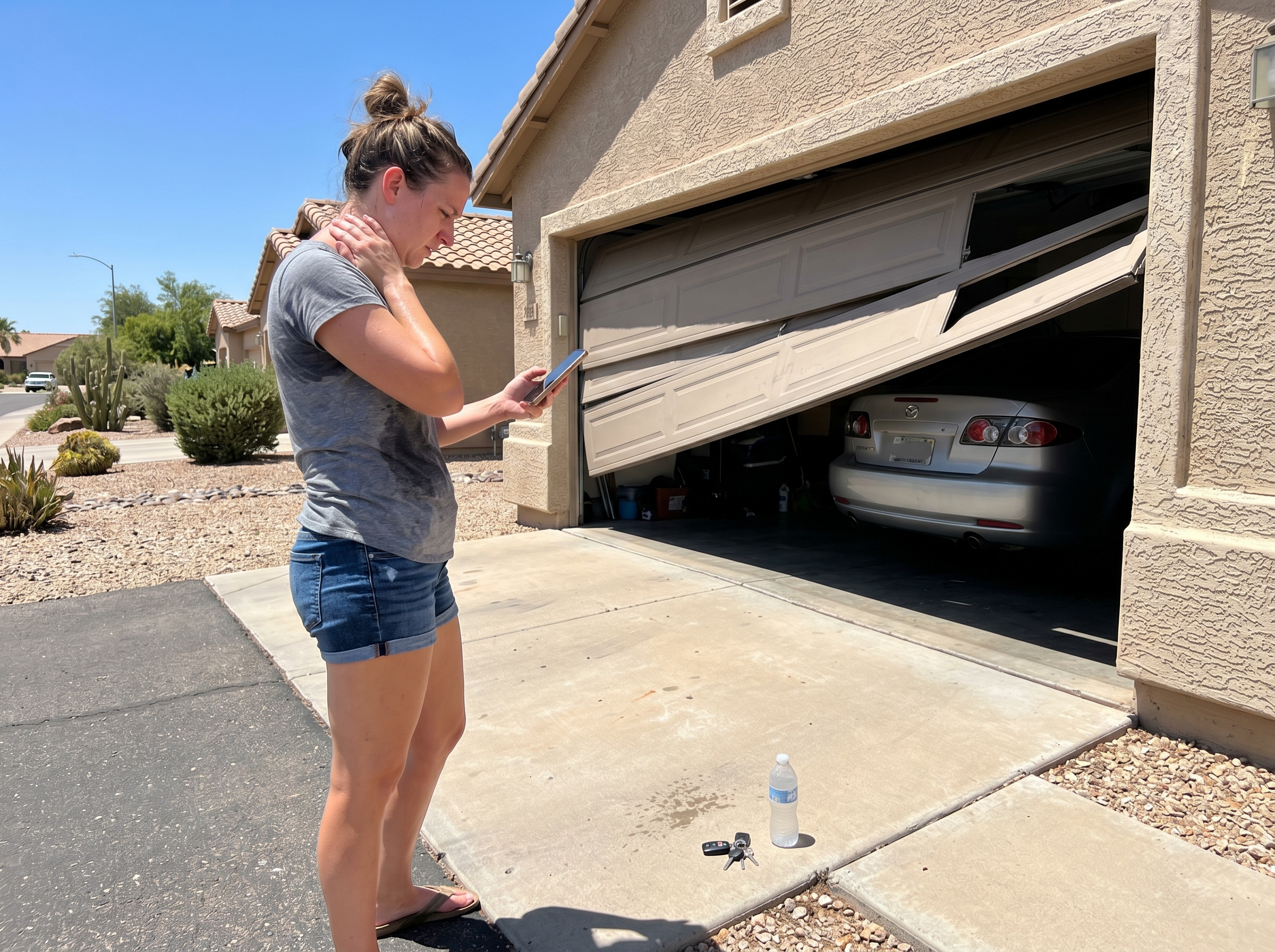

A loud, stuck, or unsafe door can stop your day fast. For residential and commercial garage doors in Arizona, the first question is not how much. It is whether the door can be made safe again. If the frame, panels, and opener still make sense, residential installation services may not be needed yet.
Quick overview
- The door shakes, sags, or slams hard.
- The same part keeps failing.
- Your business door slows down work.
- The quote is not clear enough to trust.
In this guide
- Ask for the failed part, the risk, and the next step.
- Do not approve a full replacement until the door has been checked.
Simple version: choose the fix that removes the risk, not just the noise.
- Fix the part if the door is solid.
- Replace the door if the structure is weak.
- Replace old hardware if safety parts are missing.
- For business doors, count lost time too.
TL;DR: Repair Or Replace?
- Repair if one part broke and the door moves square.
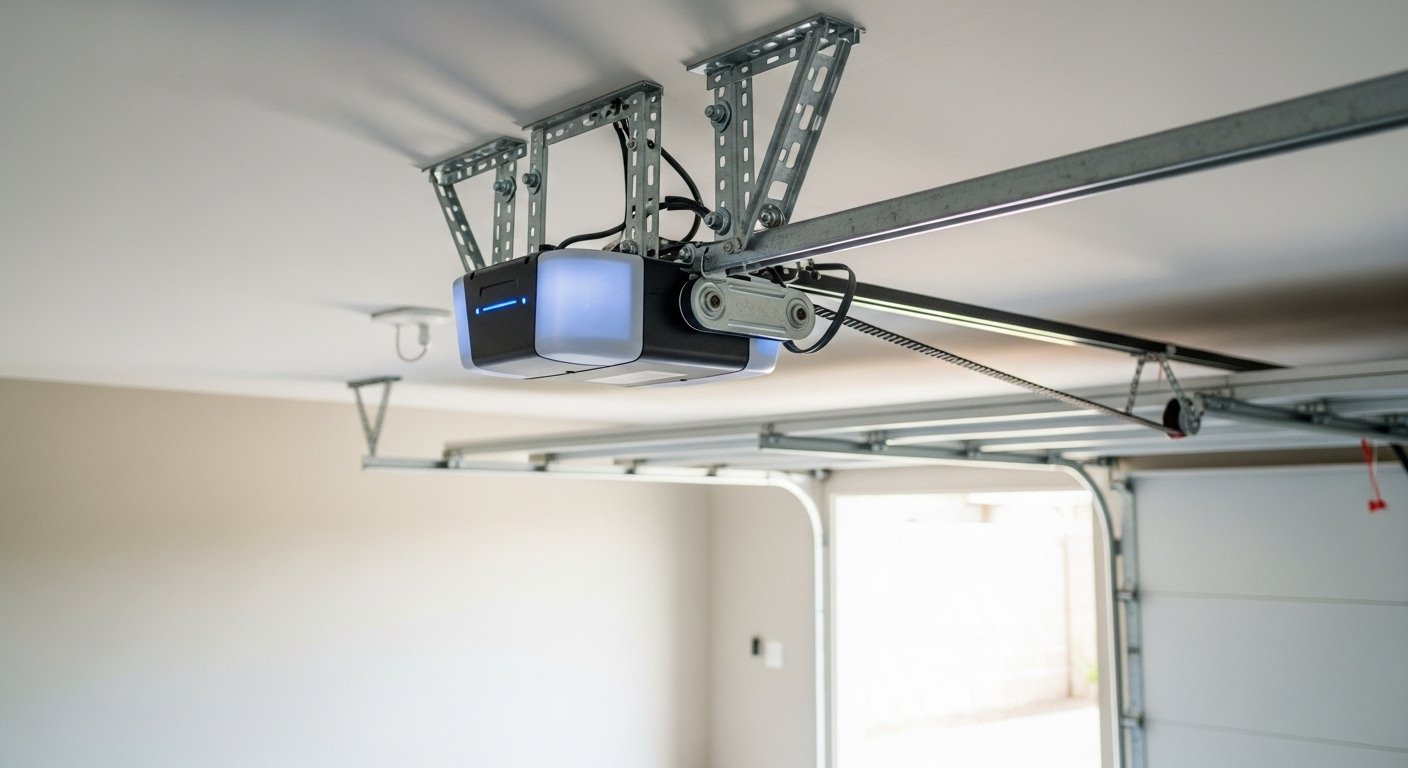
- Replace if panels, tracks, opener fit, or safety are worn out together.
- Ask for a written scope before you approve work.
What Repair Or Replace Really Means
Repair means one failed part can be fixed without leaving you with an unsafe system. Replace means the door, track, panels, or opener setup no longer fits the job. For a shop, warehouse, or storefront, commercial installation services may be smarter when downtime keeps coming back. Before you book, use the Arizona quote checklist so the scope is clear.
Context (what matters in this situation):
- One broken spring is often a repair job.
- Bent sections can make repair less useful.
- Heat, dust, and daily use can wear parts faster.
- A commercial door should be judged by safety and downtime.
How The Choice Usually Starts
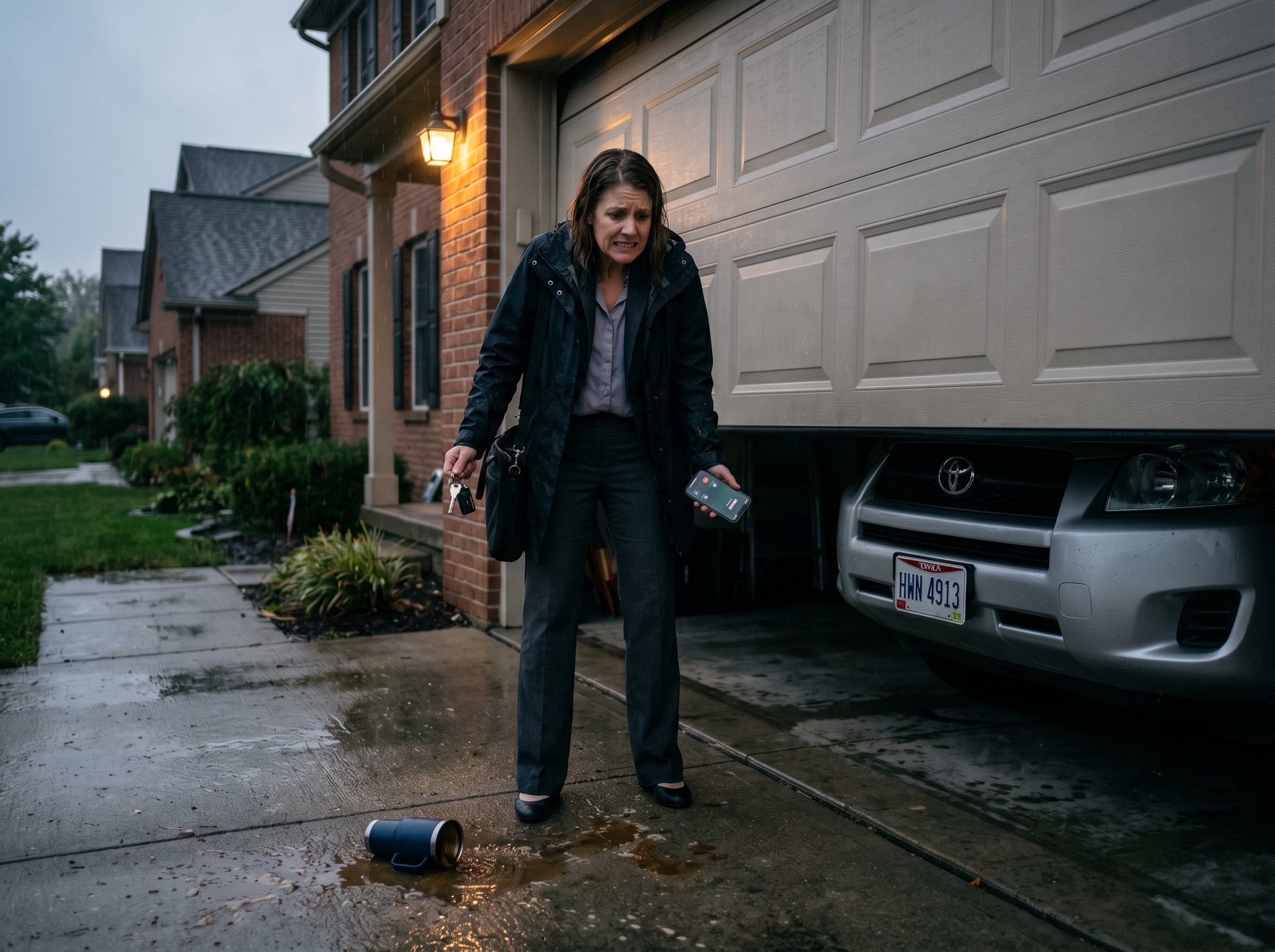
Most Arizona calls start with stress, not a plan. The door is stuck open, the truck cannot leave, or the opener will not close. A tech should check the whole system before pushing a full swap. If the door is too worn for a clean fix, new garage door installation in Phoenix may be the better path.
What this usually looks like (real-world flow):
- You hear a bang or grind.
- You try the opener and the door barely moves.
- You worry about the car, stock, or building security.
- You ask if the door can be saved.
- The quote should explain repair, replacement, and risk.
Details to confirm (so you get the right help fast):
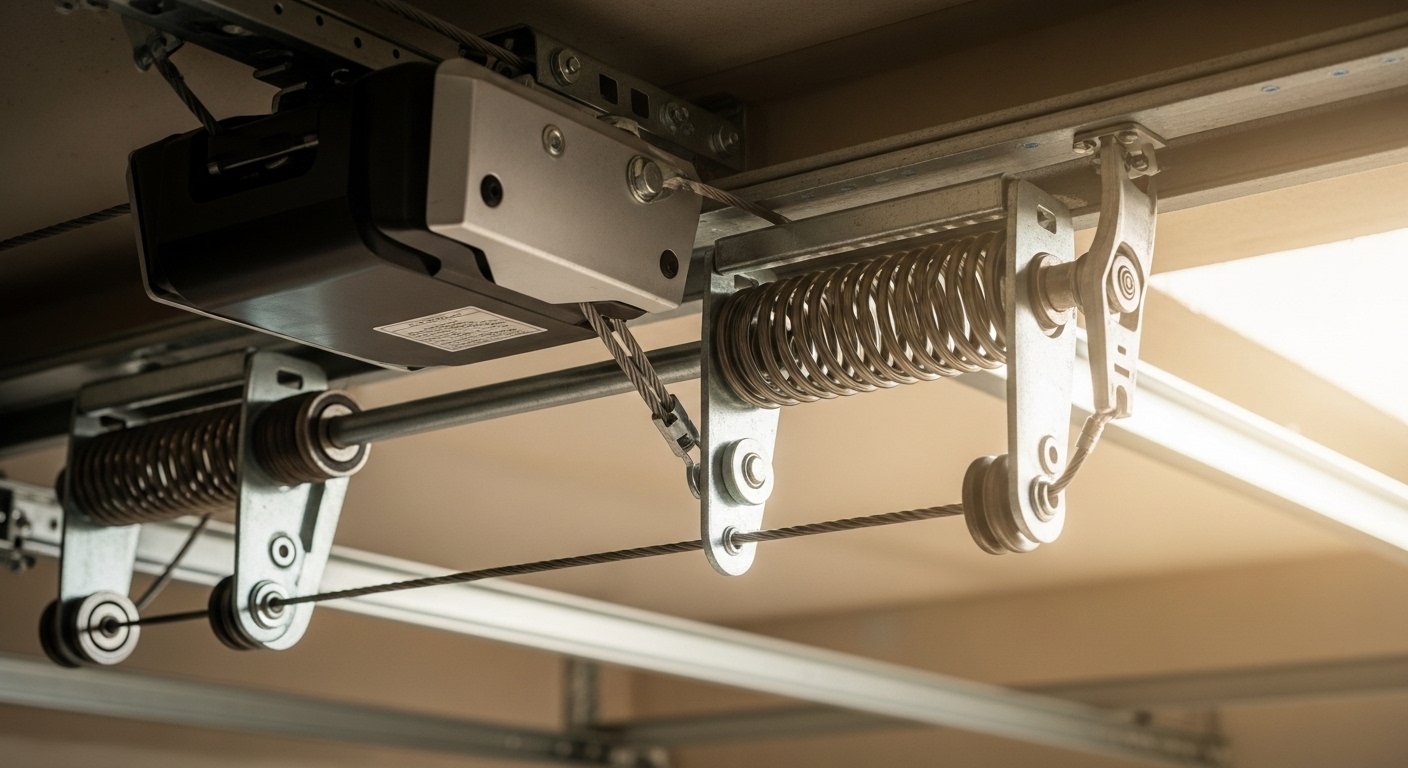
- Look for bent tracks, split panels, weak rollers, and opener strain.
- Ask if the door is balanced by hand after parts are checked.
- Ask what happens if you only fix the loud part.
What you should get as the outcome:
- You get a repair plan when the system is still sound.
- You get a replacement plan when repairs only delay failure.
- You avoid paying twice for the same issue.
Where Quotes Can Get Confusing
The low price is not always the full price. A door that looks simple can need tracks, hardware, opener changes, or more labor. For larger bays, commercial garage door installation in Phoenix should be priced around access and downtime. You can also compare what is normally included in Arizona garage door repair costs before saying yes.
Limits / constraints (what can slow things down):
- A repair quote may not include hidden track damage.
- An opener quote may not include door balance issues.
- A panel quote may not fix a bent frame.
- A commercial quote may miss after-hours access.
Hidden costs to watch for:
- Extra hardware if the old parts do not match.
- More labor if the door is jammed or unsafe to move.
- Disposal if a full door is removed.
- Return visits if the first scope was too small.
What To Do Before You Book
Take one minute to ask what failed, what is still safe, and what could fail next. If the door is old, dented, or too heavy for the opener, new garage door installation in Scottsdale may cost less than repeat calls. Rio Garage Doors can help you compare both options without guessing.
- Ask for repair and replacement choices when both are possible.
- Ask what needs to happen today to make the site safe.
Our Recommendation For Phoenix residential door installation
Start with safety. A door that may fall or bind should not be used.
Ask the tech to show the failed part before work starts.
Compare today’s repair cost with the next likely repair.
For a business, count lost time, not only the door price.
Do not replace a door only because one small part failed.
Do replace when safety parts, panels, and movement are all poor.
Safety Check Before Any Door Decision
Do not stand under a stuck or crooked door. A heavy door can move without warning. Keep people, pets, stock, and vehicles away until it is checked. If the old system is worn out, new garage door installation in Mesa may be safer than one more patch.
A good option is:
- Stop using the opener if the door is crooked.
- Do not pull cables or springs yourself.
- Keep the doorway clear while waiting.
- Take photos of damage for your records.
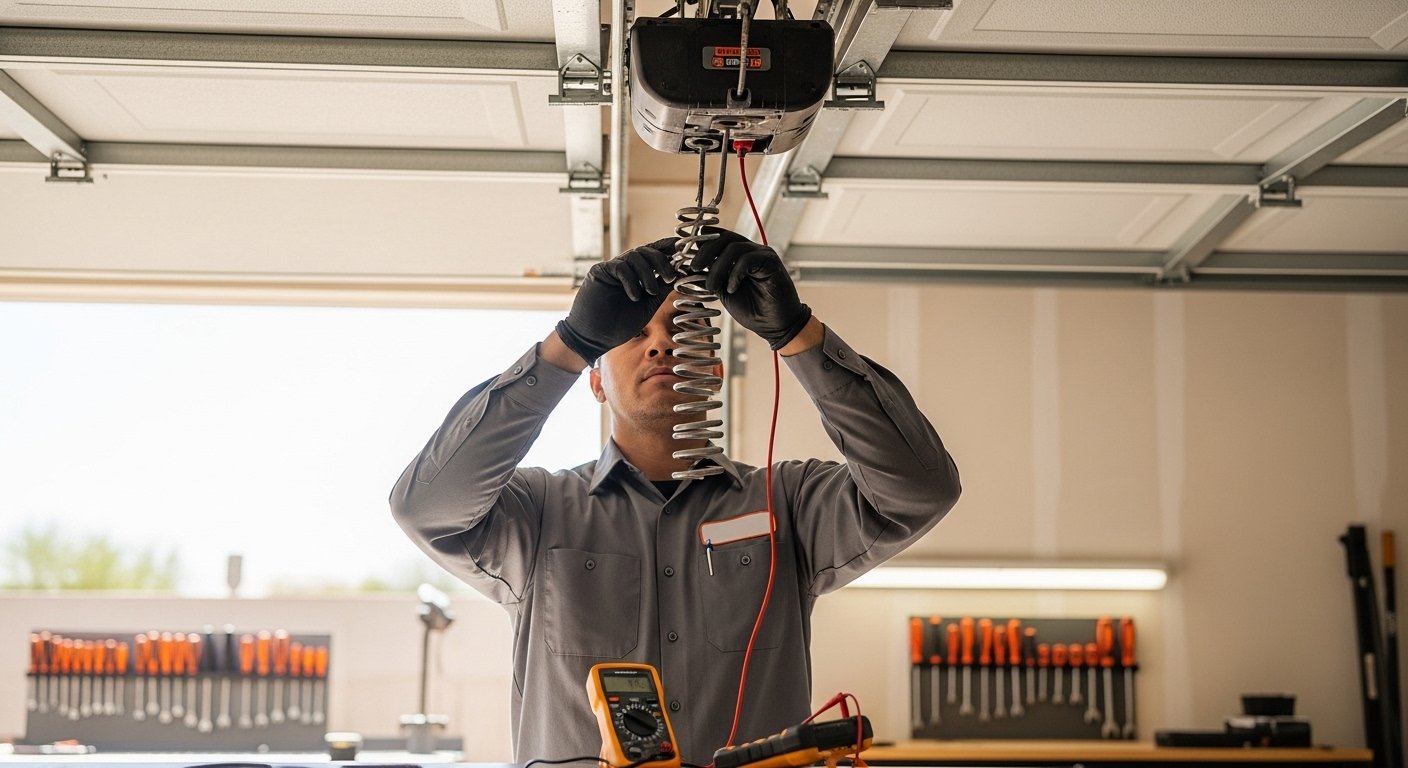
- Ask the technician to test balance and safety reversal.
Scenario 1: Your Home Door Still Moves
If your home door still moves straight, repair may be enough. Ask whether the noisy part caused the issue or only showed the issue. When the panels, rollers, and opener are all tired, new garage door installation in Chandler may be a cleaner choice.
Do this:
- Repair: one failed spring, roller, cable, or hinge.
- Replace: several weak parts and damaged panels.
- Ask: will this fix last through daily use?
Scenario 2: Your Business Door Stops Work
For a business, a slow door can become a money problem fast. A repair may be fine if it gets the bay safe and working. If the door keeps stopping crews, read the Phoenix commercial downtime questions before you approve the cheapest fix.
We recommend this:
- Repair: one part failed and the door fits the opening well.
- Replace: repeated failures block trucks, staff, or customers.
- Ask: how long will this door be down?
Scenario 3: The Door Is Old, Bent, Or Unsafe
Old doors can hide several problems at once. If panels are bent, tracks are stressed, and the opener struggles, one repair may not solve the real risk. In that case, new garage door installation in Glendale can be the safer long-term plan.
Here’s a simple path forward:
- Repair: minor wear with a square door.
- Replace: bent, cracked, or unsafe sections.
- Ask: is this door safe to keep using?
Suggested plan:
3 Steps To Decide Without Guessing
Step 1: Book A Clear Inspection
Step 2: Share The Site Details
Step 3: Compare The Real Options
Garage Door Repair Or Replace FAQs
Safety should be part of the repair-or-replace choice. The CPSC operator FAQ explains that automatic residential garage door operators must meet a federal safety standard. Use it as a basic safety check before choosing a new opener or keeping an old one.
Should I repair or replace a noisy garage door?
Noise alone does not mean you need a new door. If the door is straight and the parts are sound, a repair may be enough. If the system is old and unsafe, compare it with new garage door installation in Avondale before spending more.
Is replacement always better for a commercial garage door?
No. A commercial door may only need one part replaced. Replacement makes more sense when the door keeps stopping work, cannot close safely, or no longer fits how the site is used.
What should be included in a repair quote?
Ask for the failed part, labor, parts, safety checks, and any extra cost that could appear after inspection. The quote should also say what is not included. That keeps the job clear before work starts.
Can I keep using a crooked garage door?
No. A crooked door can bind, fall, or damage other parts. Stop using it and keep the area clear until it is checked.
When is a new door the safer choice?
A new door may be safer when panels are bent, the track is stressed, the opener struggles, and repairs are stacking up. The goal is safe movement, not just a quick quiet fix.